When Nordic Agro Summit brings together agriculture, business, research and the public sector, the Malmö stad is a partner. The aim is to help build a sustainable, innovative and resilient food system – one in which urban and rural areas develop together.
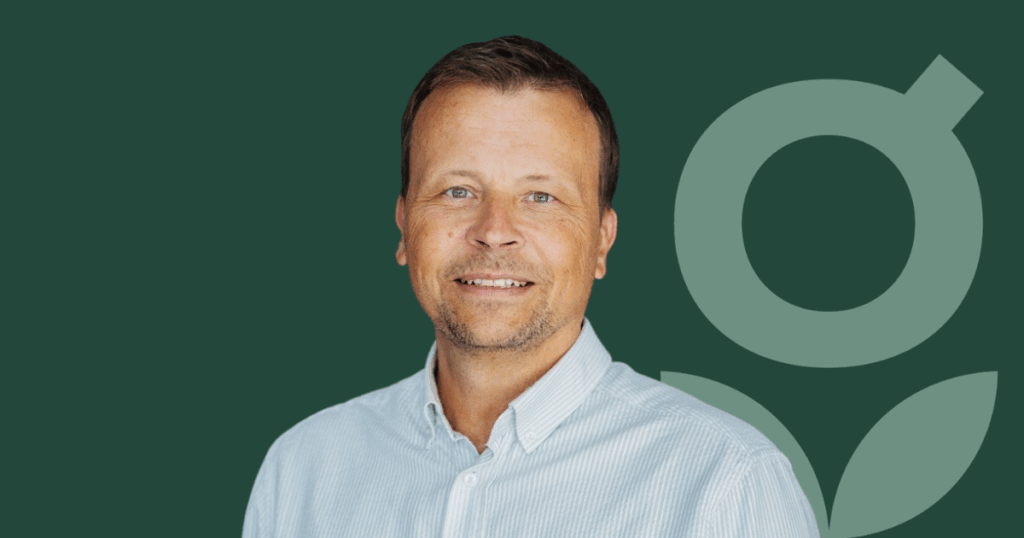
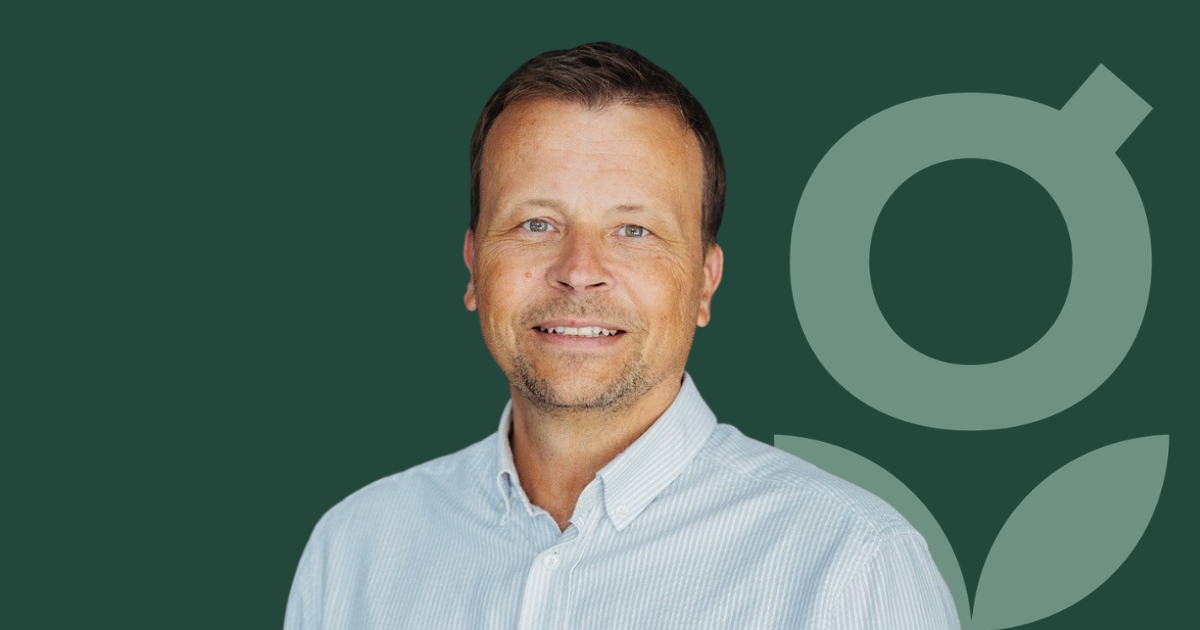
“The agriculture of the future cannot be shaped by a single stakeholder. Meeting the major challenges facing the food system requires collaboration between those who produce food, the businesses that develop products and bring them to market, researchers who contribute new knowledge, and public-sector organisations that can create the right conditions”. This is the view of Ola Andersson, Business Development Manager at Malmö stad. He sees the partnership with Nordic Agro Summit as an important opportunity to bring together expertise and perspectives that need to meet more often.
“Agriculture brings experience, knowledge and production capacity. Businesses have market power, research can contribute new solutions, and the public sector can create test environments, use procurement strategically and provide long-term frameworks. When these forces are connected, real change can happen,” he says.
The key to sustainable development
For agriculture to develop sustainably while remaining competitive, the transition must also be economically viable. Ola Andersson highlights the need for stable conditions, better opportunities for young people to establish themselves in agriculture, and more environments where new ideas can be tested and scaled. At the same time, demand plays a central role.
More locally and sustainably produced food needs to have a clearer place in the market, he believes.
The Malmö stad’s involvement in Nordic Agro Summit is based on the understanding that the food system extends far beyond the city’s boundaries. Urban and rural areas depend on one another, and efforts to secure a sustainable food supply must encompass the entire chain – from production to consumption.
Through its Future Food City initiative, the City of Malmö is working to develop a food system that is more sustainable, innovative and resilient. An important part of this work is building closer relationships with those who produce food.
The importance of meeting
According to Malmö stad, Nordic Agro Summit should be a place where new ideas are put into practice and where collaborations can emerge between stakeholders who would not otherwise naturally meet. The ambition is for farmers, businesses, researchers, innovators and public organisations to find shared ways forward.
“We want Malmö to be a place where we do not just talk about the food system of the future, but where we also test, develop and create it together,” says Ola Andersson.