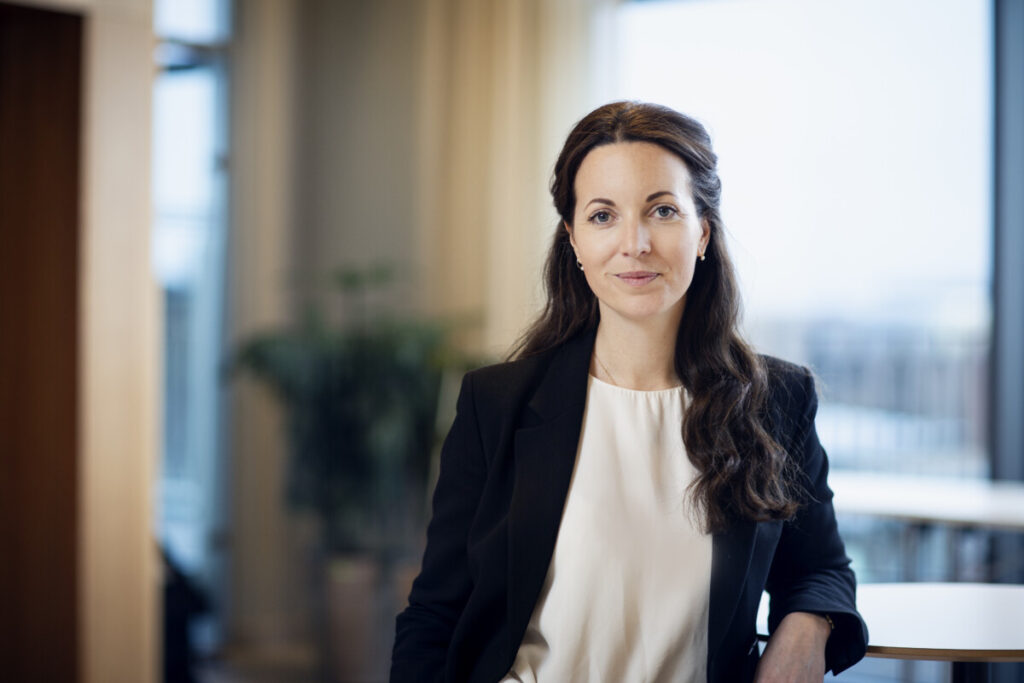
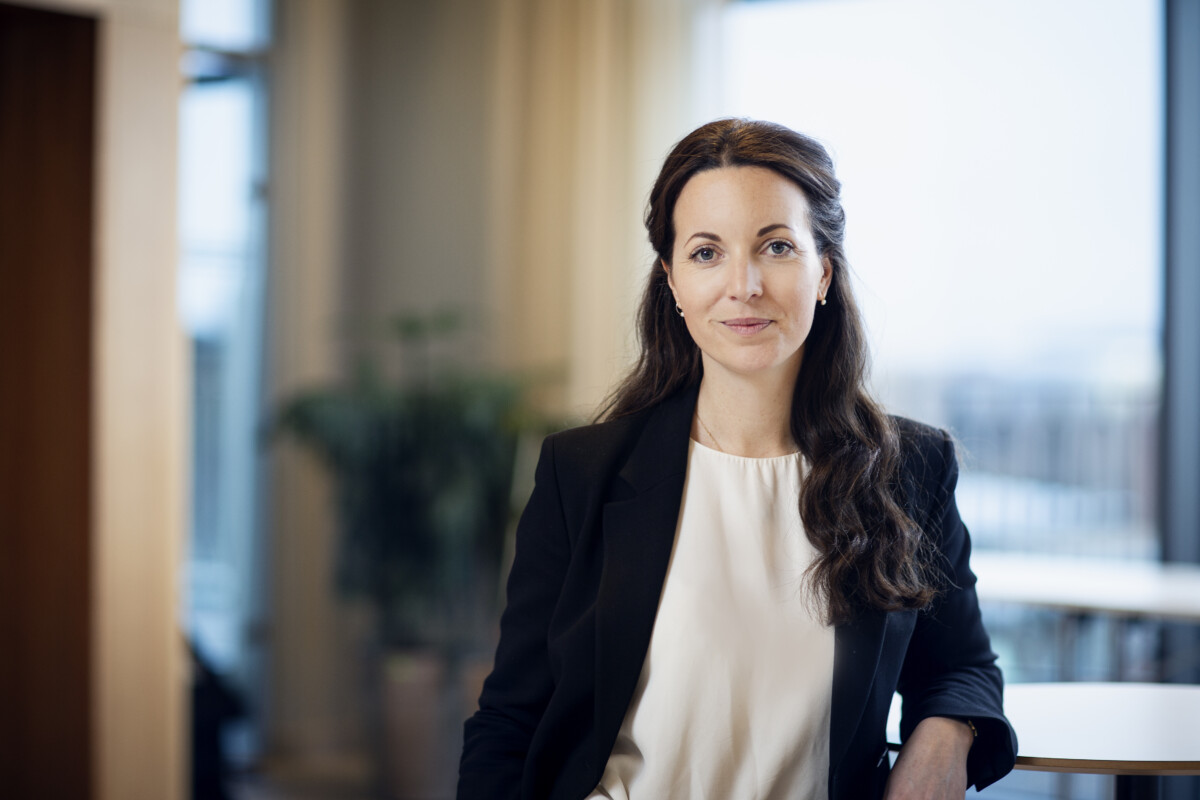
For agriculture to meet climate change, geopolitical shifts and growing demands, it needs both financial strength and long-term investment in research. This is the view of speaker Mathilda Hollertz, CEO of the Swedish Farmers’ Foundation for Agricultural Research, who will use Nordic Agro Summit to highlight the importance of collaboration between agriculture, research and the public sector.
Profitability is the foundation
Perhaps the most important issue facing agriculture today is profitability. Without stable financial conditions, agricultural businesses will find it difficult both to continue producing food and to invest in development, innovation and risk management.
“The demands placed on the sector are high – from productivity and competitiveness to environmental considerations and sustainable transition. For farmers to meet these demands, there must also be scope to make long-term decisions at farm level. Sustainable agriculture is not built solely on ambition and technology, but on businesses that can remain profitable over time,” says Hollertz.
A more uncertain world requires adaptation
Over the next five to ten years, agriculture is expected to be strongly affected by the interaction between climate change and geopolitics. International conflicts, changing trade flows and new market conditions are already being felt in the availability of inputs and in agricultural product prices.
At the same time, a changing climate is bringing more extreme weather conditions and greater uncertainty in production. This increases the need for knowledge, preparedness and solutions that help businesses adapt. The ability to manage risks is therefore becoming an increasingly important part of competitive agriculture, Hollertz continues.
Research must reach the farm
One perception that Mathilda Hollertz wants to challenge is the idea that research is difficult to access or far removed from the everyday reality of agriculture. On the contrary, she believes there is a strong willingness within the research community to contribute solutions to the sector’s concrete challenges.
The key lies in how knowledge is communicated and put into practice. When farmers, researchers and advisers meet in the right way, new findings can quickly create value at farm level – whether through precision farming, digital tools, plant breeding or data-driven decision-making.
“Agriculture also differs from many other sectors in that it consists of many small and medium-sized businesses. Individual businesses often have limited opportunities to finance extensive research and development. This is why collaboration is needed between the sector, research funders and public bodies to secure the knowledge development that the future requires,” she says.
At Nordic Agro Summit, Mathilda Hollertz hopes visitors will leave with one clear insight: research and trials are crucial to productivity, competitiveness and sustainable development. But progress will not happen on its own. It requires shared commitment and stable, long-term funding from both the industry and the public sector.